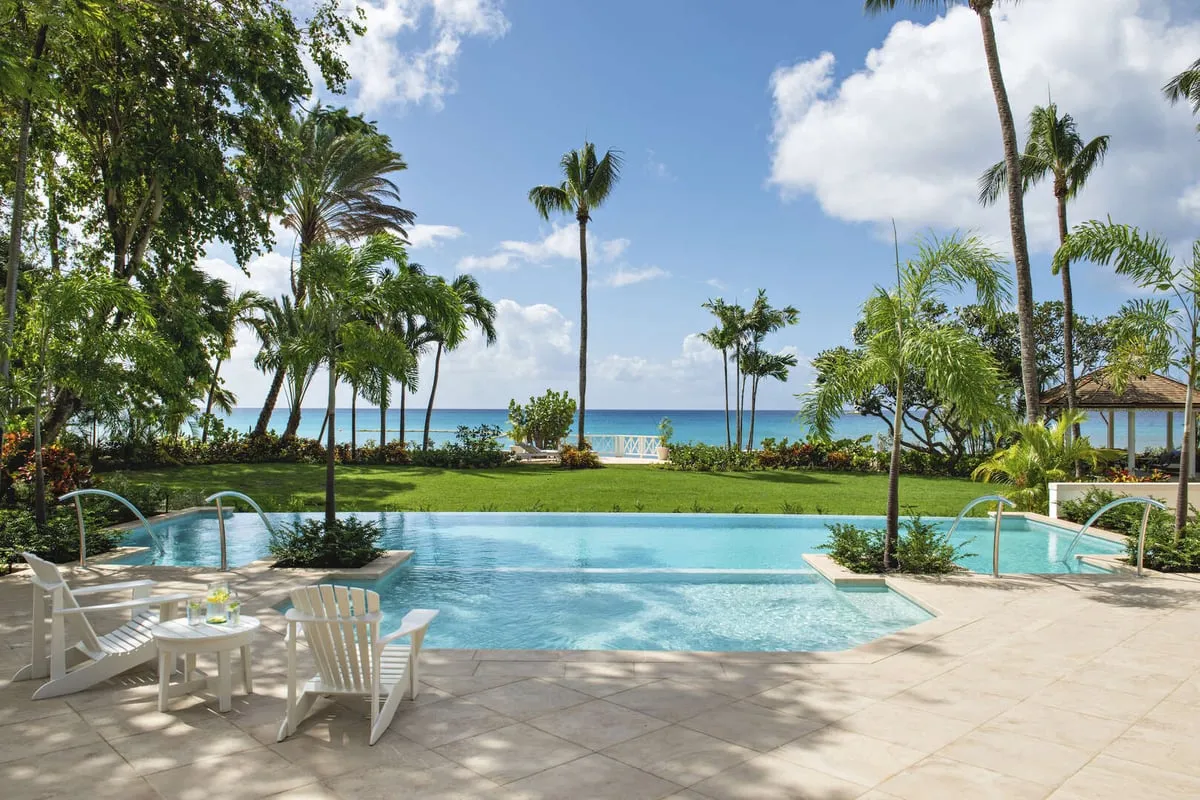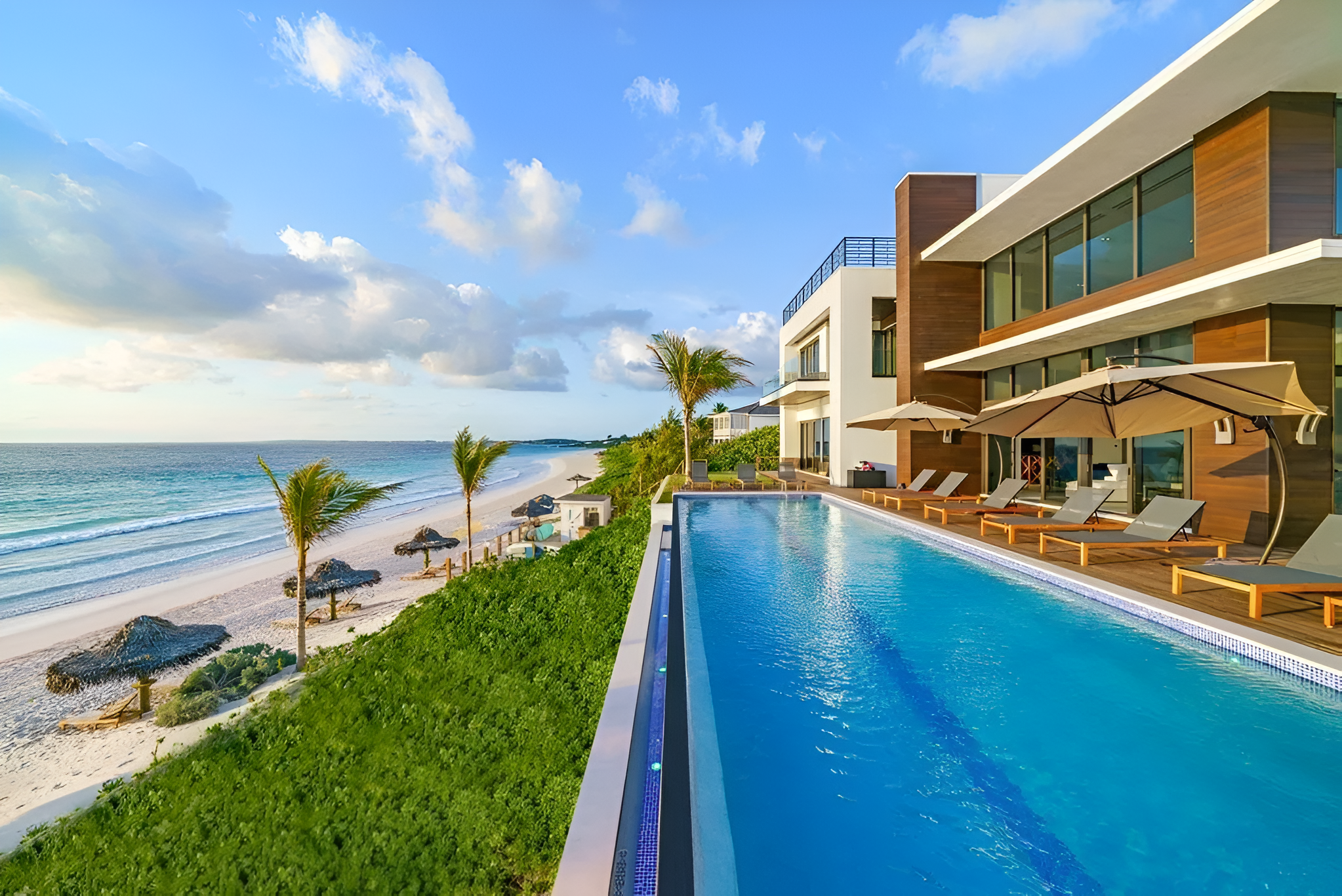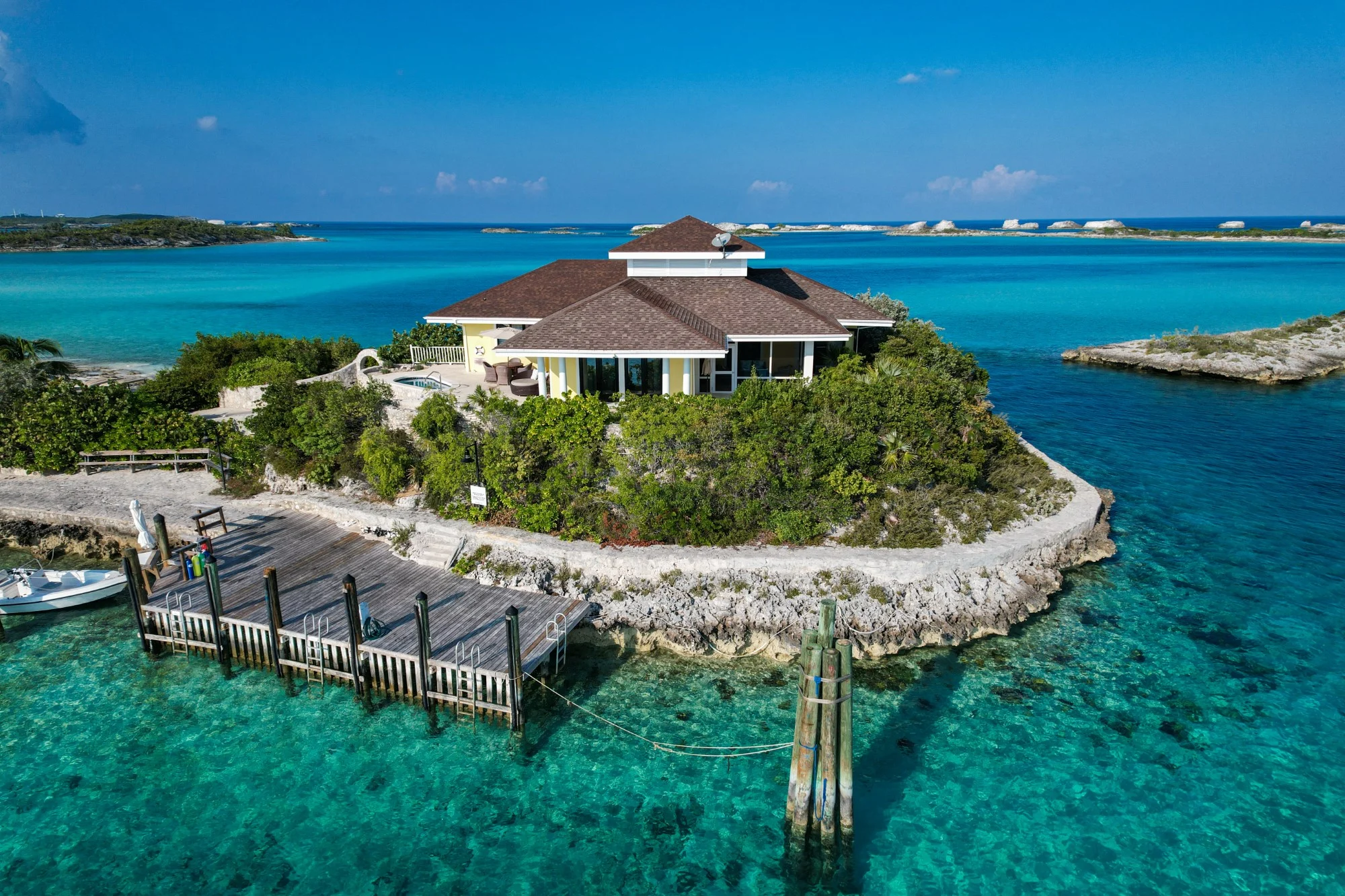

In short, that is the winter home window. It is a matter of weeks, it opens every year, and it rewards buyers who arrive prepared. The islands are quieter than they will be in January. Owners and their advisors are available. Buyers can view properly, without the compression of the holiday period. And the sequence from viewing to closing — offer, diligence, approvals, completion — can still run in an orderly way before year-end.
BE Luxury Collection advises buyers across this sequence each season. This guide sets out how the November window works. It shows where a second home in The Bahamas makes the most sense for different ways of living. It also sets out the steps that separate a considered purchase from a rushed one.
The Bahamas season builds from late November and peaks between Christmas and Easter. By January, owners either occupy the best winter homes, let them for the season, or hold them under negotiation. Sellers who might have entertained a measured conversation in November are, by then, in residence themselves — and in no hurry.
November sits just before that point. Winter inventory is on the market and viewable. Flights from Toronto, New York, Boston and Florida are frequent, yet the islands have not filled. A buyer can see a house in morning light and again at dusk. A buyer can walk the community and speak with neighbours and property managers. That visit supports a decision based on the place itself rather than on a deadline.
A straightforward Bahamas purchase, well prepared, typically moves from accepted offer to completion in 30 to 60 days. That timeline is subject to title, financing if any, and any approvals required for non-Bahamian buyers. A November start therefore places completion in December or early January. That leaves time to furnish, staff and settle the house for the core of the winter.
Start in January, and the same timeline lands in February or March. Buyers may still buy the house well. However, they largely spend the first season in transition. That season is often the reason for buying when they did.
There is a persistent assumption that more choice appears once the season begins. In practice, the opposite tends to hold for the houses most winter buyers want. That means established residences in Lyford Cay, Old Fort Bay, Ocean Club Estates and Harbour Island. It also means beachfront homes in Eleuthera and Exuma. Geography and planning fix supply in these communities. Owners who intend to sell generally list in the autumn so a buyer can be in for the winter. Those who do not sell in the window often withdraw and enjoy another season themselves.
A second home in The Bahamas is not one market. It is a set of distinct ways of living. Each is an hour — or a short flight — from the next, and each suits a different household.
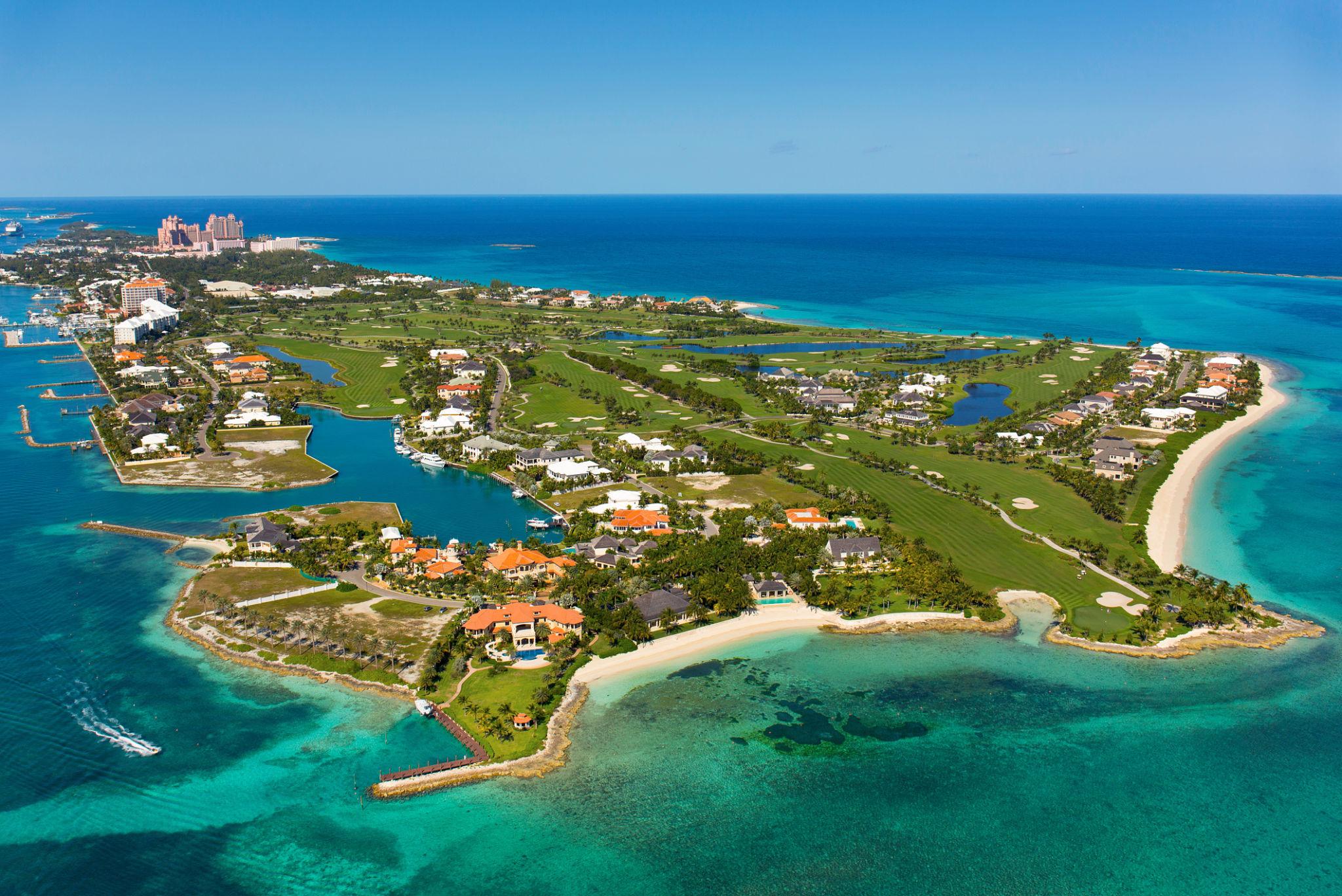
For buyers who want a winter base that works without effort, western New Providence and Paradise Island remain the default. They offer international schools for extended family stays, medical care, marinas, golf, and direct flights. Lyford Cay and Old Fort Bay offer gated, established communities with beach clubs and security in place. Ocean Club Estates, on Paradise Island, pairs a Tom Weiskopf golf course and marina access with the services of the Ocean Club. Owners can open these houses on arrival and close them on departure, with professional management already in the community.
Harbour Island has wintered North American families for generations. Three miles of pink sand, Dunmore Town’s cottages, travel by golf cart, and a social season that is active without being formal. Meanwhile, mainland Eleuthera is 110 miles long and narrow throughout. It suits buyers who want land, quiet and a house that is primarily for their own use. Viewings here reward time — the island reveals itself slowly, cove by cove.
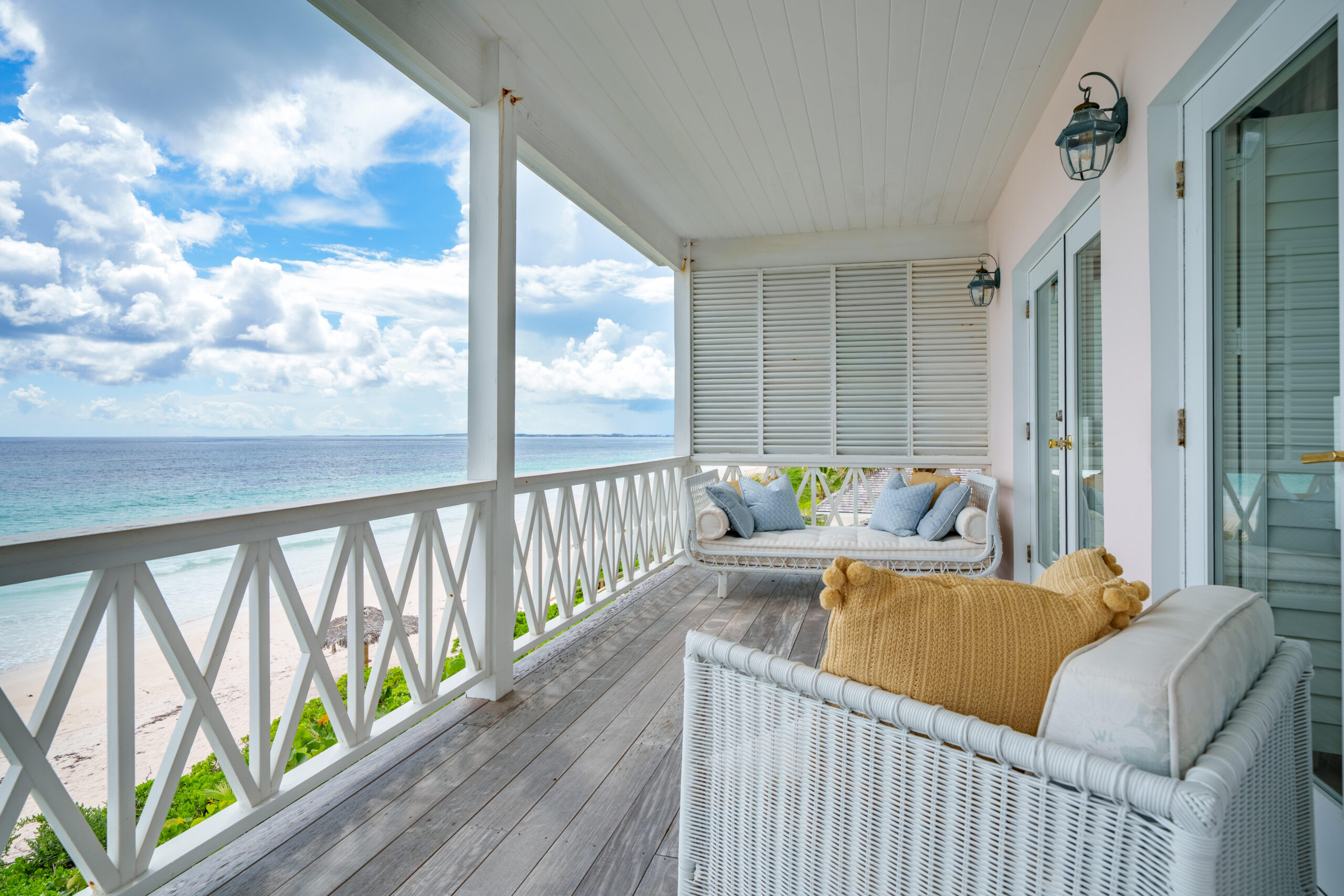
For households who spend their winter on the water, Exuma is the answer. The cays run north in a chain of protected channels and sandbars. Buyers choose many residences as much for dockage and draft as for the house itself. Great Exuma provides the services; the cays provide the seclusion. Buyers considering Exuma should test the boating in November. Conditions then show the cruising ground as buyers will use it all winter.
A November viewing trip should be short, focused and pre-arranged. Five to eight residences that genuinely meet the brief are enough. Bring the questions that a listing cannot answer. Ask about orientation and prevailing wind, water and power resilience, and staffing. Ask also about rental history if relevant, and what the community is like in August as well as in January. A winter home must work in the off-season, even if it is used lightly then.
Once you select a house, Bahamian counsel formalises an offer in an agreement for sale. A deposit — customarily 10 percent — goes into escrow. The agreement sets the completion date, any conditions, and what is included. At this stage, clarity matters more than speed. Write down fixtures, furnishings, boats or vehicles, and any work the seller will complete. Do not assume them.
Diligence covers title search, survey and inspection. Non-Bahamian buyers purchasing for residential use follow a well-established registration process with The Bahamas Investment Authority. Purchases above certain thresholds or for certain uses require permission. Your attorney will confirm which route applies to the specific property. The Government of The Bahamas and The Bahamas Investment Authority publish authoritative guidance at bahamas.gov.bs. Where a purchase uses financing, begin compliance with the lender in parallel, not in sequence. Bank documentation is the most common cause of delay in otherwise straightforward closings, in November as in any month.
The Bahamas has no personal income tax, capital gains tax or inheritance tax. Buyers should still take advice in their home jurisdiction on reporting and use, well before completion. In most cases, that means Canada or the United States.
Buyers should budget for value added tax on the conveyance and shared stamp-related government taxes. The transaction structure determines which taxes apply. Add legal fees, and registration and recording costs. Rates and treatment depend on price, buyer status and whether buyers hold the purchase personally or through a company. Bahamian counsel confirms figures property by property before exchange. What matters for the November window is sequencing. Instruct counsel early, assemble identification and source-of-funds documentation once, and keep the completion date realistic. Plan a closing calmly in November and it rarely stalls. Squeeze it into the week before Christmas and it often does.
Some households should rent for a season first — those new to The Bahamas, undecided between islands, or unsure how many weeks they will truly spend here. A long-term winter rental is an efficient way to learn a community before capital follows.
Others have already done that learning. They have rented in the same community for two or three winters, they know the flight, the staff and the light in the afternoon. For them, another rental season is not diligence; it is delay. November is when buyers should make that distinction honestly. If the community is settled and the use is clear, ownership in the window is the considered course. That use may run eight, twelve, or twenty weeks a year, with family returning to the same house.
Completion is not the end of the sequence. Buy a house in December. It needs management in place, insurance confirmed, utilities and communications transferred, and any minor works scheduled before the household arrives. In gated communities much of this infrastructure exists. In the Family Islands, advisors arrange it house by house. Part of buying well in November is using the weeks between exchange and arrival to put that team in place, so the first stay feels like a return, not an arrival at a building site.
That preparation is also why local advice matters after you sign the contract, not only before it. The advisor who knows which manager suits a particular house, and which trades are reliable on a particular island, saves the first season.
BE Luxury Collection is the Caribbean real estate and villa advisory for buyers who winter in these islands. We present a focused selection of residences in The Bahamas each November. Many of them are available to view on short notice. We advise through viewing, offer, diligence and the first season in residence.
Explore current Bahamas listings, and if you are considering a winter home for this season, request a private consultation. The conversation begins with the community and the way the house will be used — the house itself follows from there.
For buyers who want to be in residence this winter, yes. November offers full viewability, available sellers and advisors, and a realistic path to completion in December or early January. Later in the season, choice narrows and timelines compress.
A well-prepared residential purchase typically completes in 30 to 60 days from accepted offer, subject to title, financing and any required approvals. Cash purchases with clear title and documentation assembled early sit at the shorter end of that range.
Yes. Non-Bahamians regularly purchase residential property in The Bahamas. Most owner-occupied purchases follow a registration process with the Bahamas Investment Authority, with permission required in certain cases. Bahamian counsel confirms the correct route for each property and buyer.
Beyond the purchase price, budget for VAT on the conveyance, government taxes applicable to the transaction, legal fees, and registration and recording costs. Exact figures depend on price and structure, and counsel confirms them before exchange. There is no Bahamas personal income tax, capital gains tax or inheritance tax.
If you are new to the islands or undecided between communities, a winter rental is a sound first step. If you have already rented in the same community over several seasons, your pattern of use is clear. Buying in the November window then avoids spending another season as a tenant in the place you intend to own.
It depends on use. For example, Lyford Cay, Old Fort Bay and Ocean Club Estates suit buyers who prioritise infrastructure, security and direct access. Harbour Island suits a settled, social winter. Eleuthera suits land and quiet. Exuma suits households centred on boating. A consultation that starts with use, not listings, usually reaches the right island quickly.