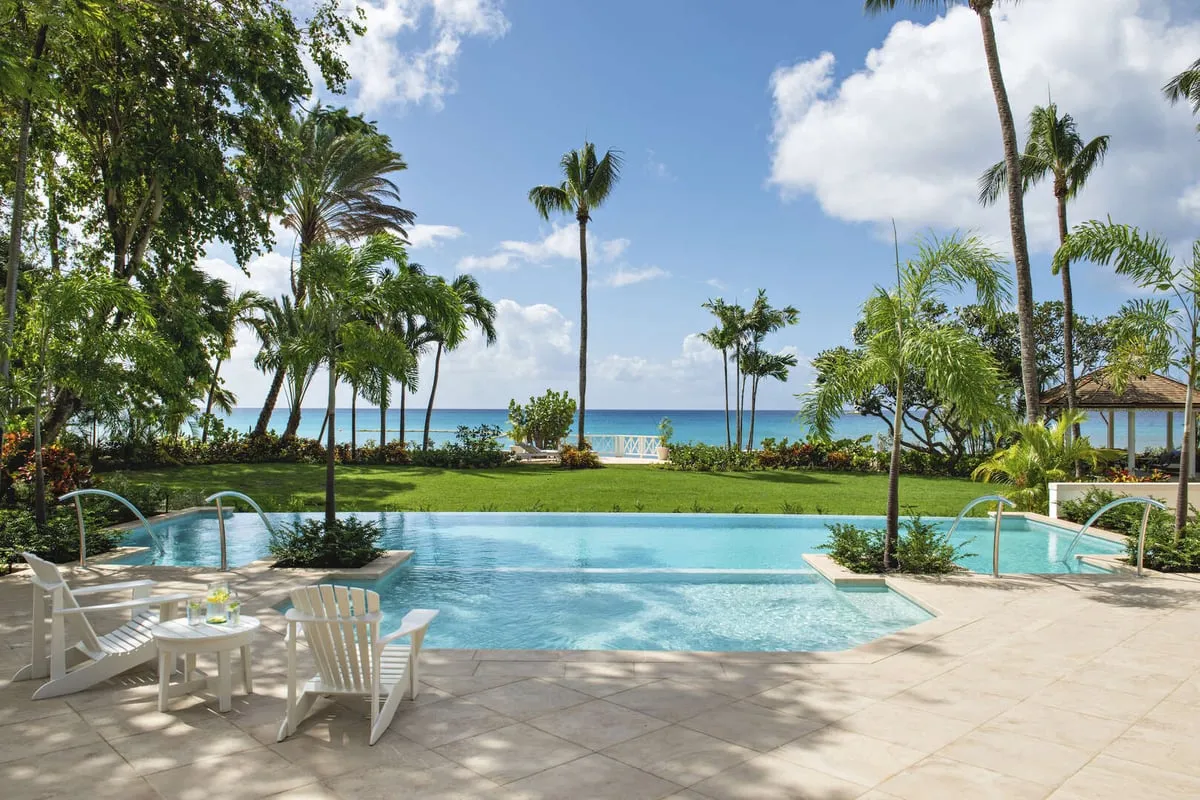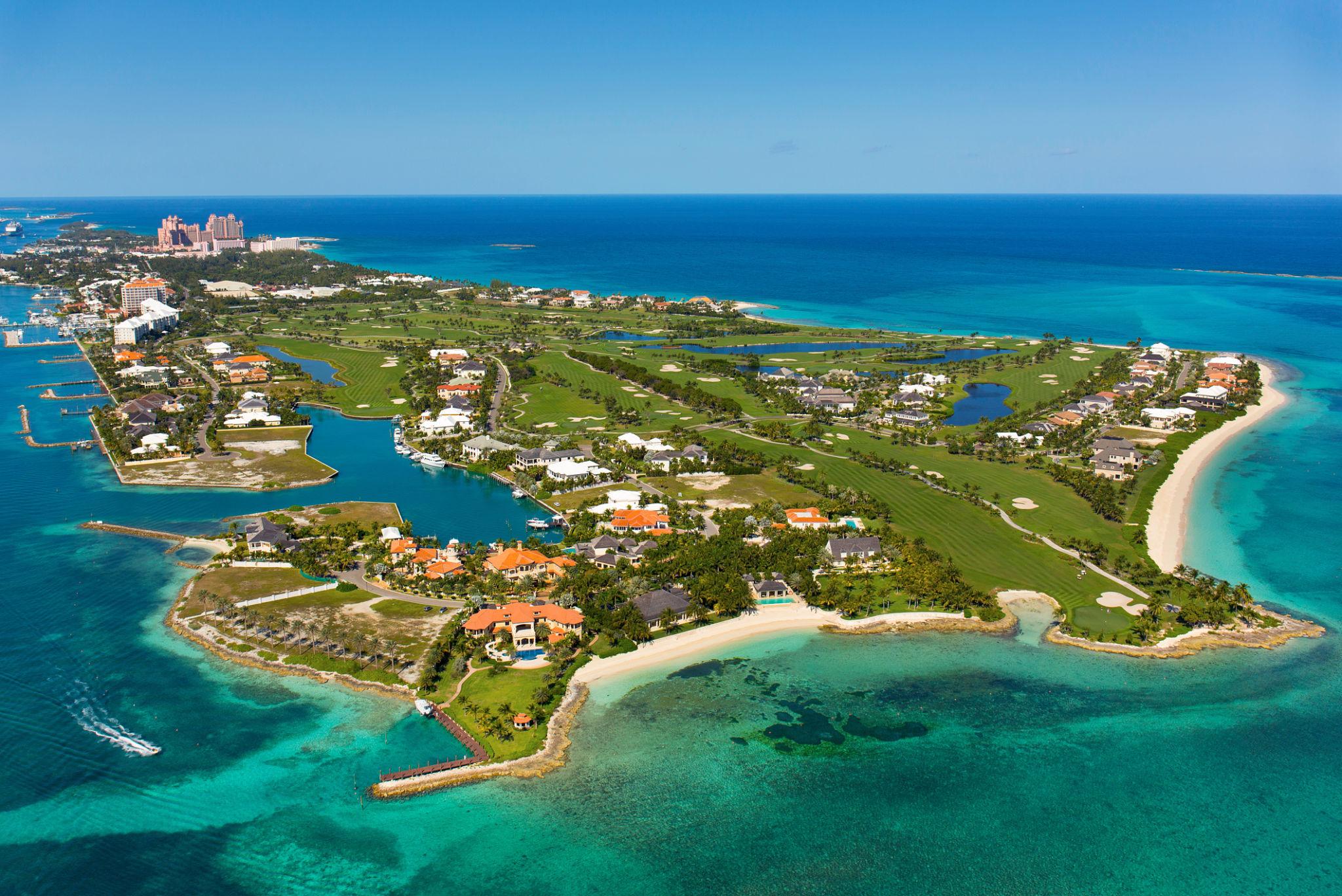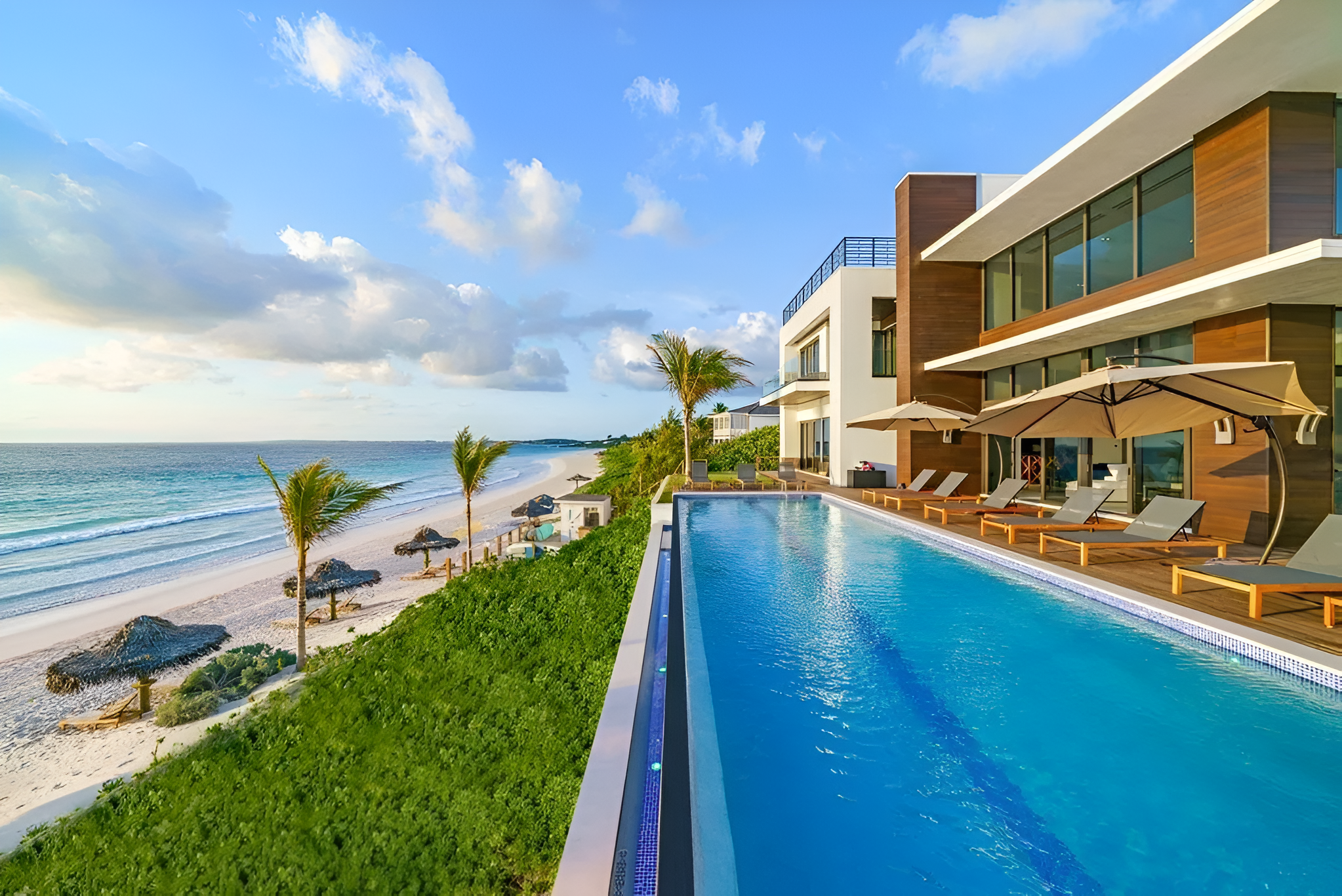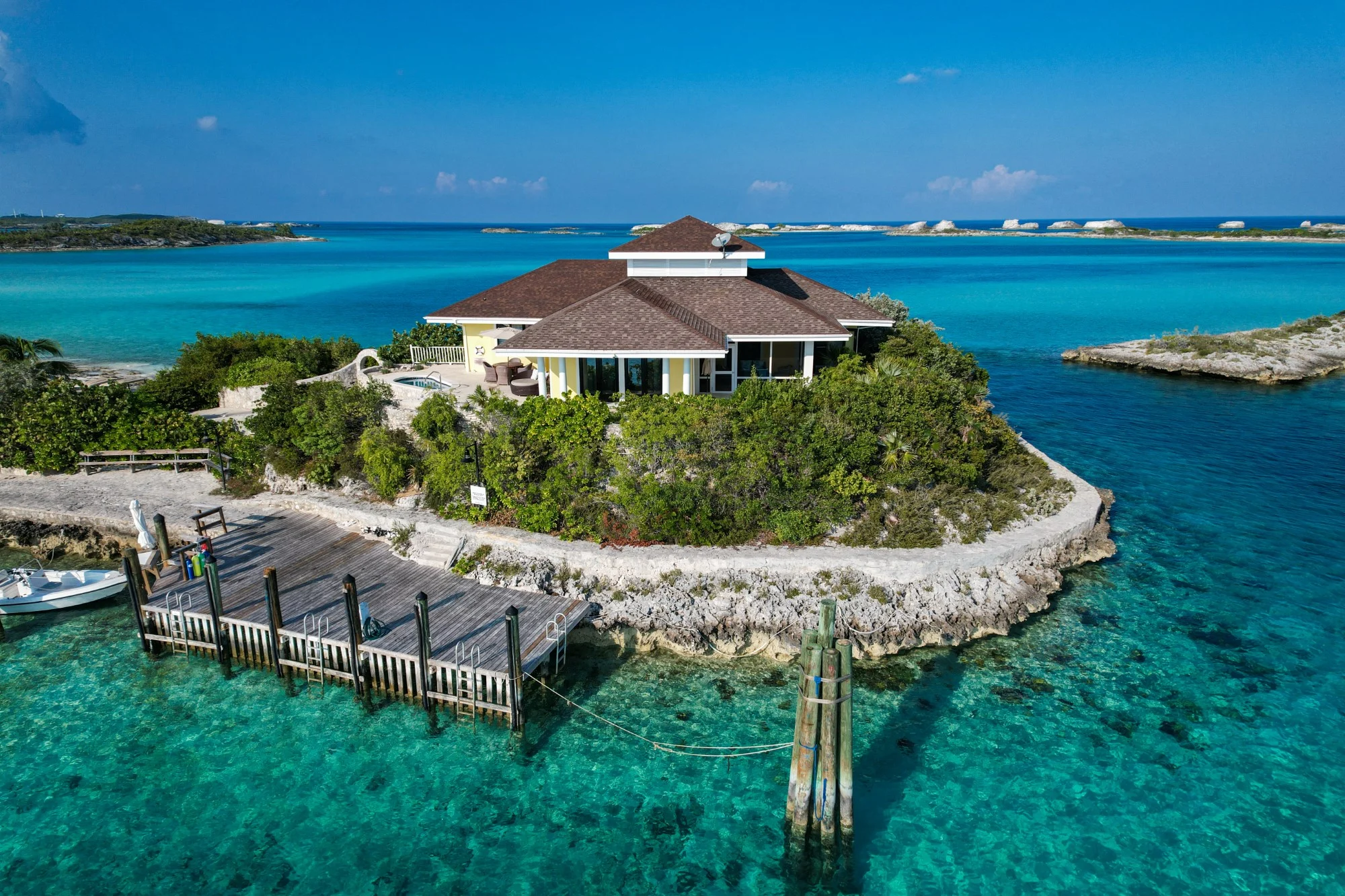

Exuma is a small market with a wide range. Because of that, it rewards a clear idea of how you mean to live there.
BE Luxury Collection advises buyers across The Bahamas as associates of HGC, Christie’s International Real Estate. What follows is how we would set out Exuma real estate for a client across a desk.
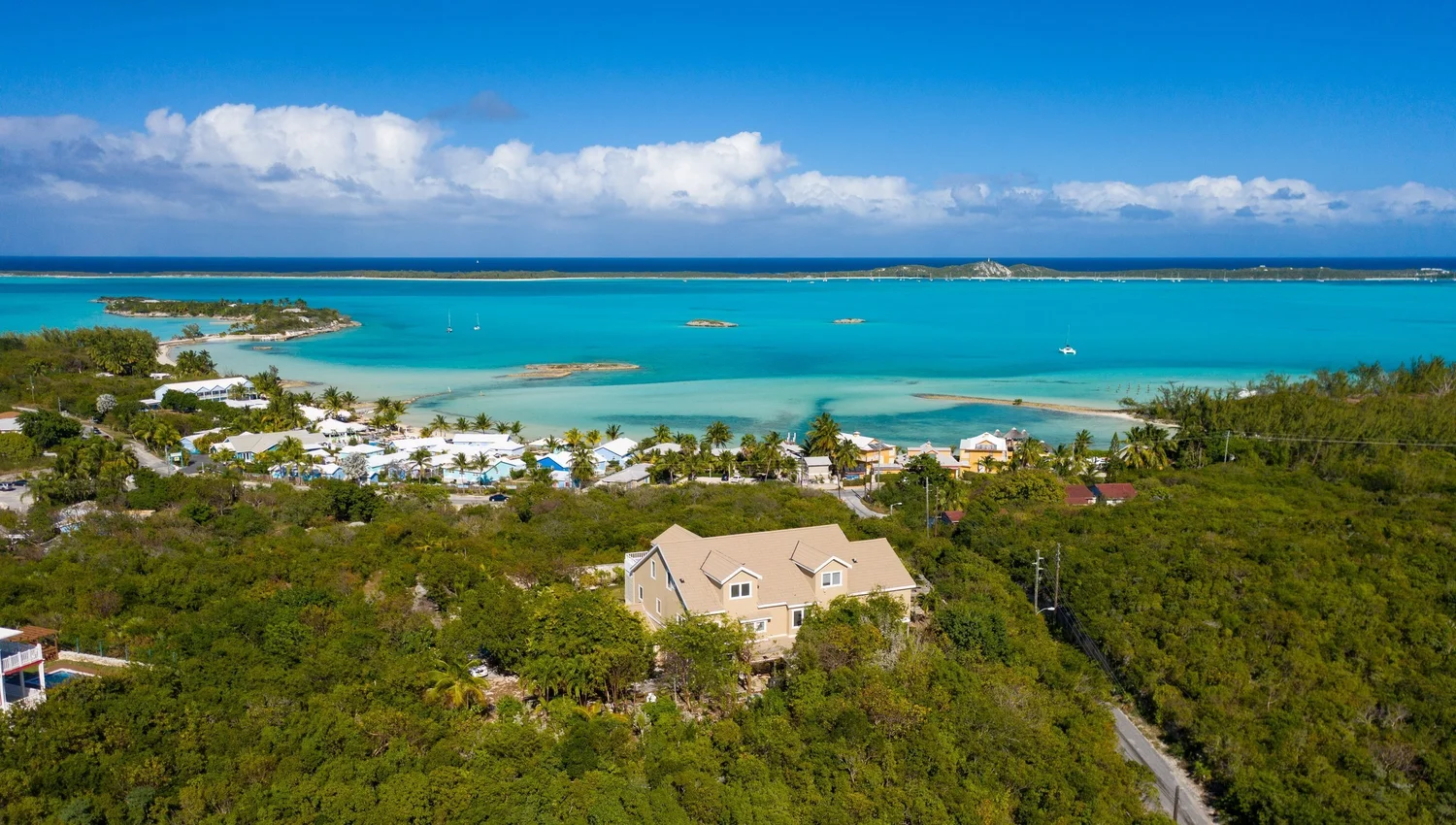
Great Exuma is the largest island and the practical centre of the district. George Town, its capital, sits on Elizabeth Harbour. The island also holds the international airport, the main marinas and the largest grocery stores. For most buyers, therefore, ownership is simplest here. You can reach a house by scheduled flight from Nassau or Miami, and you can supply it without a boat.
Each February, hundreds of visiting yachts fill the harbour for the cruising regatta, which says something about the anchorage. Further north, Emerald Bay also has a Greg Norman golf course and a deep-water marina. Buyers who want community, services and an easy arrival tend to begin here. Indeed, many go no further.
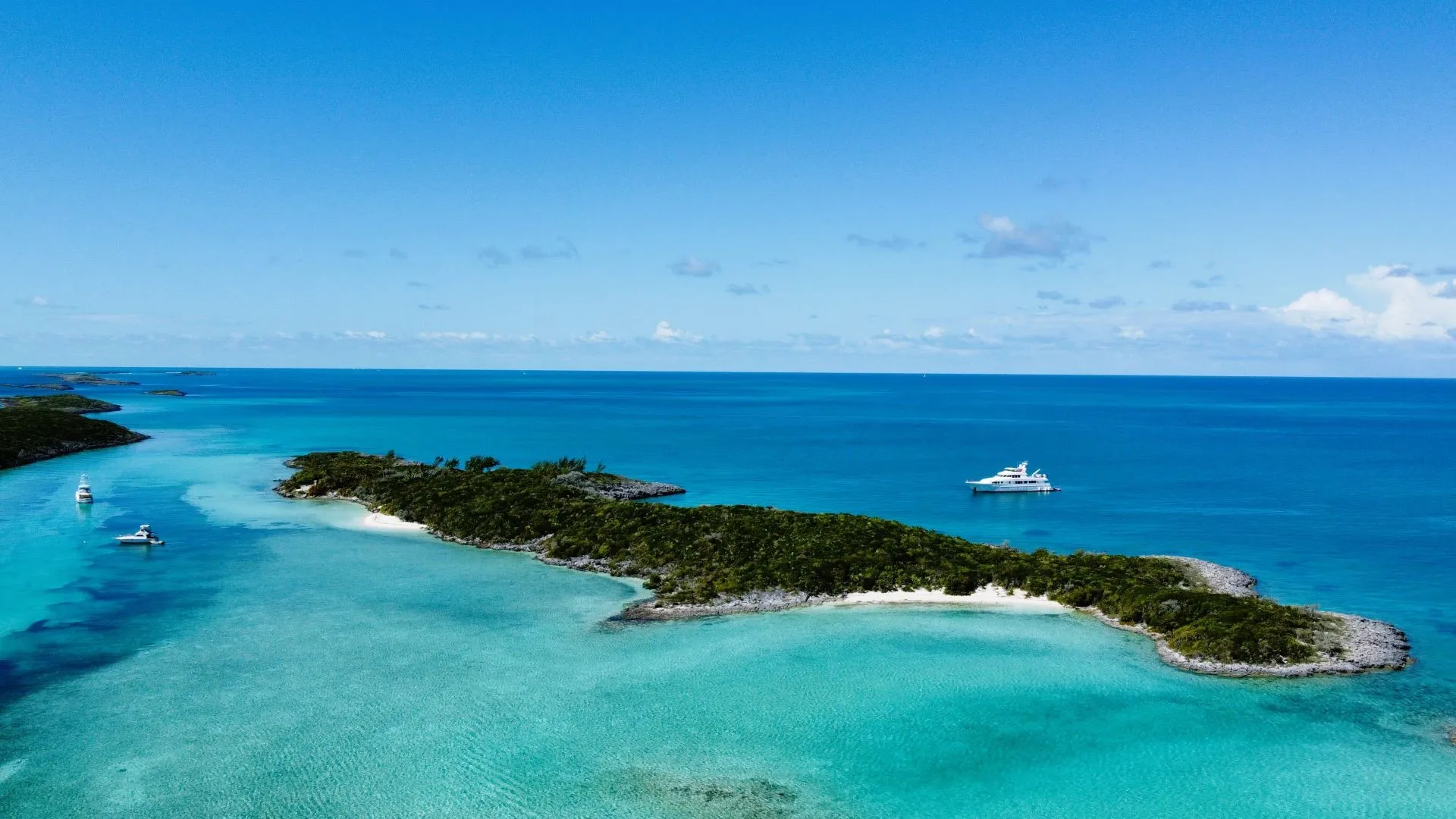
North of Great Exuma, the cays become smaller and ownership more self-reliant. Staniel Cay is the best known, because it has a yacht club and a small airstrip. In addition, the swimming pigs of Big Major Cay and the snorkelling at Thunderball Grotto are a short run by boat. The Exuma Cays Land and Sea Park protects much of the northern stretch. As a result, the water looks as it does.
Buyers choose the cays for privacy and for the boating. They suit owners who are comfortable arranging their own access. Above all, they suit owners who regard the journey as part of the place.
Prices in Exuma follow the waterfront. Frontage, elevation, protected dockage and the quality of the beach matter more than the size of the house. As a result, two properties a mile apart can sit in different markets. Current Exuma real estate shows the range.
In the first ten months of 2026, recorded sales across Exuma reached $60.4 million over 42 transactions. Meanwhile, the top island sales have exceeded $18 million. Those figures describe a small market with a wide range. For example, a building lot inland and a private cay are both Exuma real estate. The useful comparison is therefore between like properties, and local sales records make that possible.
The Bahamas welcomes international buyers, and the process is orderly. Purchases by non-Bahamians fall under the International Persons Landholding Act. First, a buyer registers a home bought as a residence with the Investments Board. Other acquisitions, such as larger tracts of land, need a permit before completion. Your Bahamian attorney confirms which route applies and then records the certificate or permit with the title.
A sale normally moves from an accepted offer to a signed agreement with a deposit. After that, the attorney reviews title, and completion follows. Buyers who intend to spend much of the year here should also ask about Bahamas permanent residency, because a property purchase can form the basis.
The principal closing cost is value added tax on the conveyance. A transfer of property to a non-Bahamian carries VAT of 10 per cent of the price. By custom, buyer and seller share that charge, although the contract settles it. In addition, you pay legal and recording fees.
After completion, the recurring cost is annual real property tax. The 2026 to 2027 budget revised its schedule, so ask for the current rates when you plan. However, The Bahamas levies no income tax, capital gains tax or inheritance tax.
Ownership in Exuma rewards planning. On Great Exuma, a house runs much as it would in Nassau. For example, scheduled flights land at Exuma International, and trades and supplies are on the island. The practical questions are therefore the familiar ones of any second home. Who looks after it while you are away? How quickly can someone open it for your arrival?
On a cay, however, the owner takes on more. Power, water and waste are often the property’s own systems. Provisions and building materials arrive by boat, and staff may also need accommodation of their own. Charter flights serve several of the larger cays. Even so, a capable caretaker is worth more than any amenity.
None of this is a drawback to the right owner. Indeed, it is the reason the cays remain as they are. It does mean, however, that the survey of a cay property covers more than the house. Access, moorings and utilities belong in the decision from the start, as does the cost of maintaining them.
For buyers weighing a whole island, those questions multiply. For that reason, our private island buyer’s guide sets them out in full.
If Exuma real estate is on your list, we would be glad to walk through it with you. We can cover which part of the district suits how you live and what has sold recently. We can also show what is available now, including homes that are not publicly listed.
Review current Exuma real estate, or request a private consultation. We will reply personally.
Yes. Non-Bahamians buy under the International Persons Landholding Act. A buyer registers a home for personal use with the Investments Board. However, other purchases, such as larger tracts of land, need a permit first. A Bahamian attorney handles either route during the conveyance.
It depends on the waterfront. Recorded sales across Exuma reached $60.4 million over 42 transactions in the first ten months of 2026. In addition, the top island sales have exceeded $18 million. Lots, homes and private cays therefore sit in very different ranges.
A transfer of property to a non-Bahamian carries value added tax of 10 per cent. By custom, buyer and seller share it. Legal and recording fees are extra. However, there is no income, capital gains or inheritance tax. Annual real property tax also applies.
Exuma International Airport (GGT) on Great Exuma receives scheduled flights from Nassau and Miami. In addition, charter flights serve several of the larger cays. You reach the rest by boat. Staniel Cay also has its own small airstrip.
Most begin on Great Exuma, around George Town and Emerald Bay, because the airport, marinas and shops are close. Buyers who want more privacy look north instead, to Staniel Cay and the smaller cays. Ownership there is more self-reliant.
Yes. Private cays do come to market in Exuma, and recent top island sales have exceeded $18 million. However, access, utilities and development approvals need careful review before an offer. Our private island buyer’s guide therefore sets out the questions to ask.