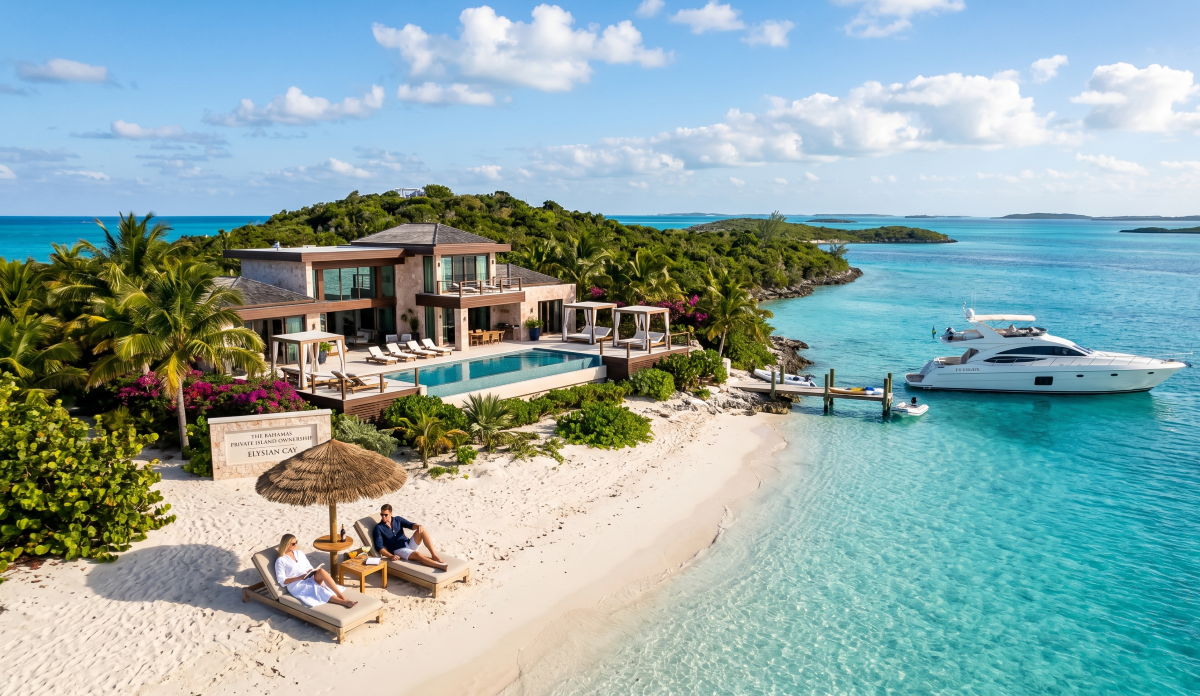
The signals are no longer anecdotal. Market data from mid-2026 shows Abaco closing 17 sales in a single 30-day period. Eleuthera moved a beachfront estate at over $5.7 million. Exuma recorded its largest transaction in the observed dataset. These are not isolated events. Instead, they are the footprint of a structural shift.
In select Exuma pockets, capital growth has reached 15 to 16 percent annually, paired with rental yields of 5.2 to 6 percent — a combination rarely available in mature luxury markets. As a result, investors are recognizing what the data has been suggesting for months: the Family Islands offer a lower entry point with stronger appreciation potential than the capital’s prime enclaves.
In contrast, Nassau’s market is splitting into distinct tiers. The core residential market between $400,000 and $700,000 — areas such as South Ocean, Coral Harbour, and Western New Providence — continues to move steadily. But in the $1 million-plus luxury segment, buyers are negotiating hard, with many properties trading 10 to 20 percent below asking. Capital is becoming selective, and selectivity is favoring the islands.
The deeper story is infrastructure. Airport upgrades and road improvements are underway across several Family Islands, and seasoned island investors understand what follows. Reliable access transforms a destination: short-term rental income becomes dependable, dependable income attracts professional management, and land values respond accordingly. This sequence has played out in island markets around the world. The Bahamas is next.
Moreover, improved connectivity does more than ease travel. It changes the investor calculus entirely — converting what was once considered adventurous territory into underwritten, income-producing positions.
However, there is a second force at work, and it is arguably more durable. Privacy now sits at the very top of the luxury buyer’s priorities — seclusion from public view, low-density surroundings, and space that cannot be overlooked. The Family Islands answer this demand structurally: low density, limited development pipelines, and coastlines that cannot be manufactured.
Unlike Nassau’s mature enclaves, where scarcity is priced in, the Family Islands still offer genuine seclusion at entry points that leave room for appreciation. For buyers who measure value in discretion as much as dollars, the proposition is compelling.
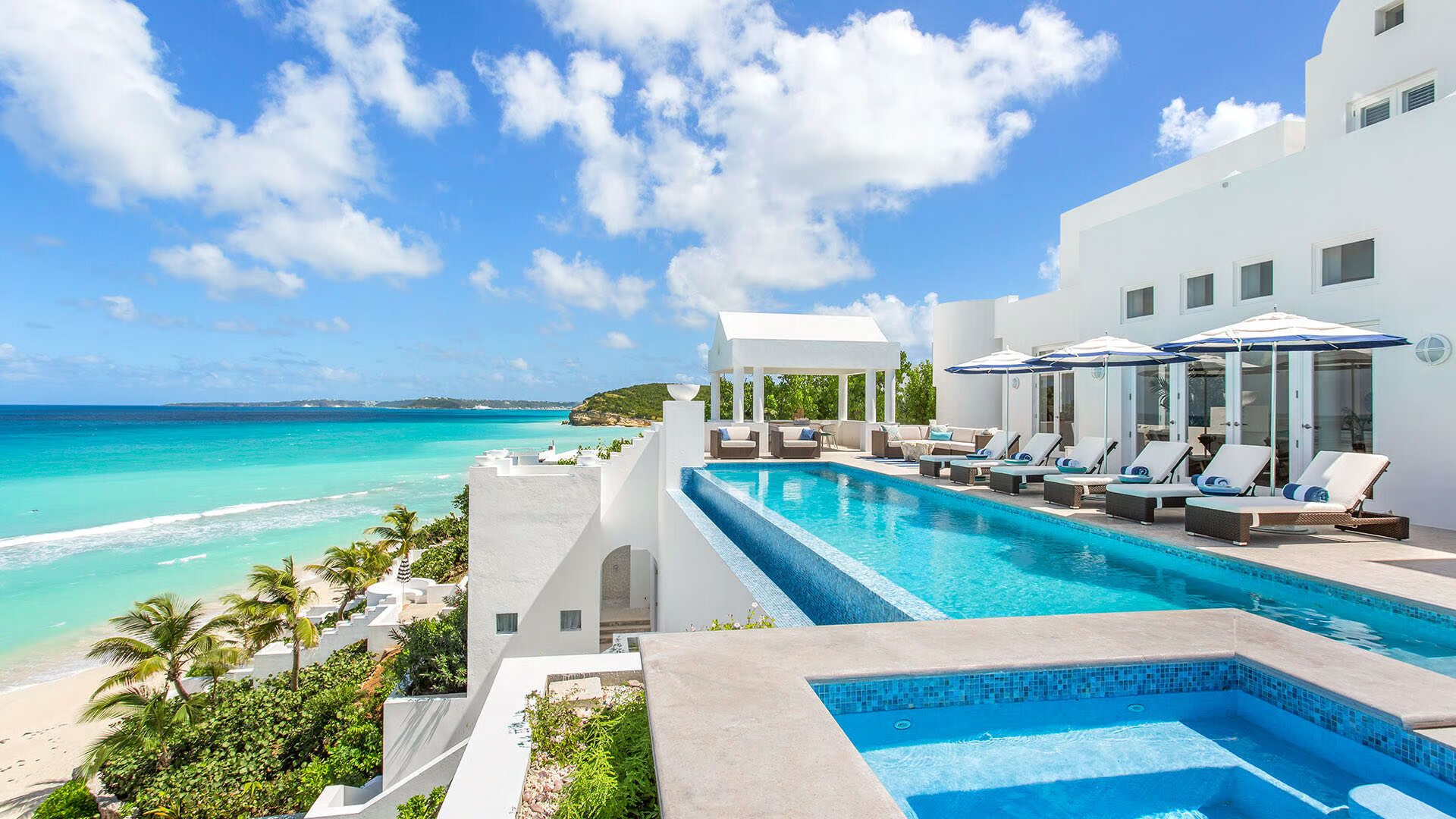
First, Exuma leads the momentum. Beyond the headline transaction figures, the island chain’s investment case is being reinforced by institutional commitments — including major branded hospitality developments that signal long-term confidence in the destination. With 365 cays, deep-water access, and a global reputation for pristine beauty, Exuma combines lifestyle appeal with measurable investment performance.
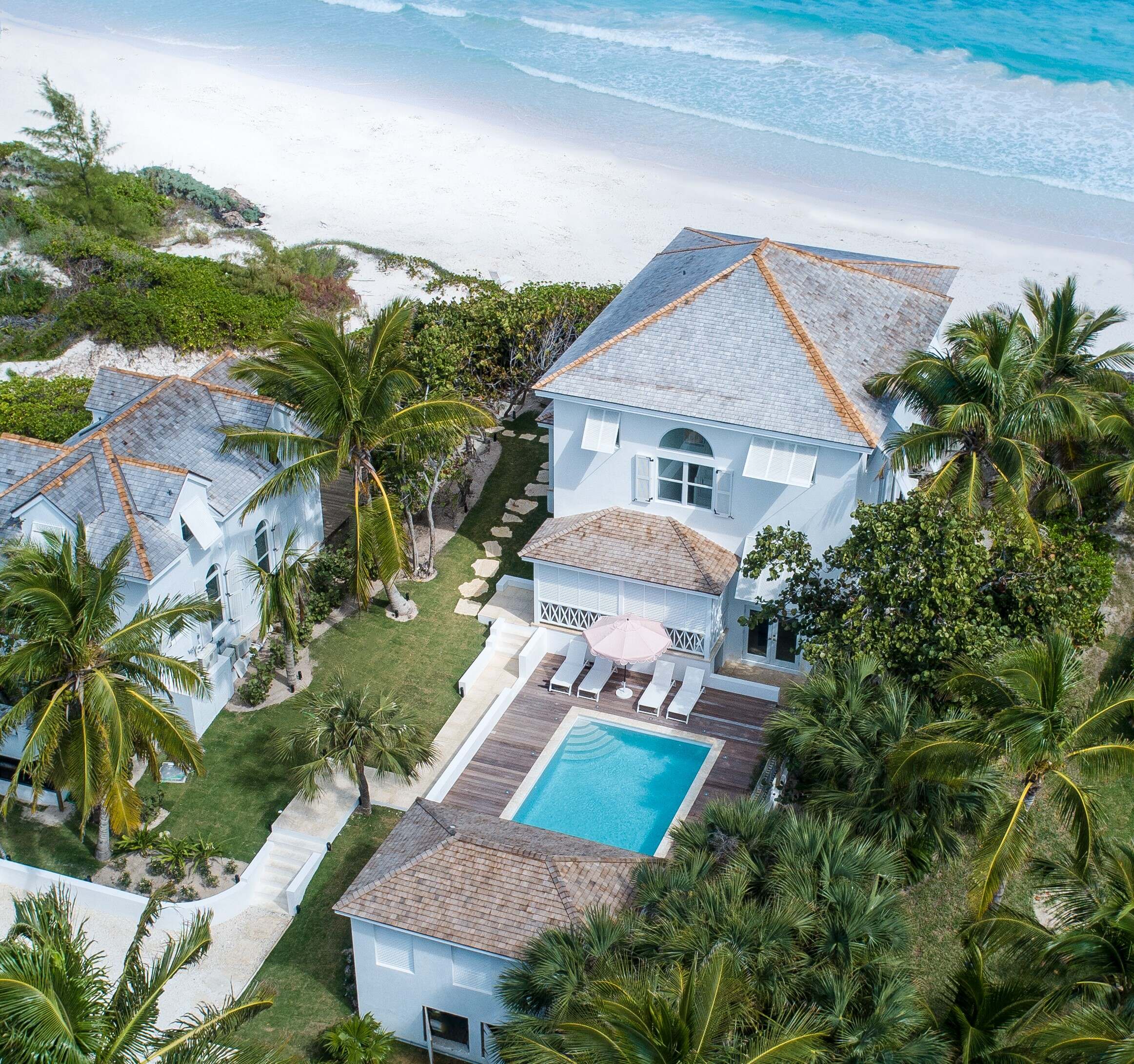
Second, Eleuthera offers the scarcity play. Harbour Island’s pink sands and limited inventory have made it an insider’s market for years, and mainland Eleuthera is now capturing spillover demand at more accessible price points. The $5.7 million beachfront sale reset expectations for what the island’s coastline commands.

Finally, Abaco represents the value opportunity. Seventeen sales in thirty days speaks to genuine liquidity. The island’s boating culture, walkable settlements like Hope Town and Marsh Harbour, and a substantially modernized housing stock create a market with both lifestyle depth and rebuilding-phase upside.
Timing matters in island markets, especially for Bahamas real estate investment. October opens the fall buying window — the period when snowbirds and second-home buyers begin shopping in earnest, many converting years of seasonal rental into ownership. Acting before the mid-December high season means negotiating without peak-season competition and positioning ahead of the winter demand surge.
Therefore, for investors, the logic is straightforward: acquire while inventory and attention are still reasonable, and enter the high season with the asset already working.
The Family Islands reward buyers who understand them island by island — access patterns, rental dynamics, title considerations, and the infrastructure pipeline that will shape values over the next five years. That is the advisory BE Luxury Collection was built to provide.
Explore current opportunities across our Exuma real estate portfolio, or speak with an advisor for a confidential assessment of where your capital works hardest in today’s Bahamas real estate investment market.
The Bahamas remains one of the Caribbean’s most resilient luxury markets, with the strongest 2026 momentum concentrated in the Family Islands. Exuma, Eleuthera, and Abaco are showing accelerating transaction volumes, record pricing, and rental yields of 5 to 6 percent in prime pockets.
For instance, current data points to Exuma, where select pockets have delivered 15 to 16 percent annual capital growth. Eleuthera follows on scarcity-driven appreciation, while Abaco offers the strongest value proposition with genuine liquidity.
In fact, well-positioned Family Island properties are achieving 5.2 to 6 percent gross rental yields, supported by dependable tourism demand and improving access infrastructure. Luxury beachfront villas in peak season can exceed these figures on a weekly-rate basis.
The Bahamas levies no personal income tax, no capital gains tax, and no inheritance tax. Rental income is not taxed locally, though buyers remain subject to their home country’s tax rules. Always confirm with a qualified cross-border tax advisor.
In short, October and November form the year’s most strategic buying window — inventory is available, competition is lower than the winter high season, and buyers can complete acquisitions before peak-season demand arrives.