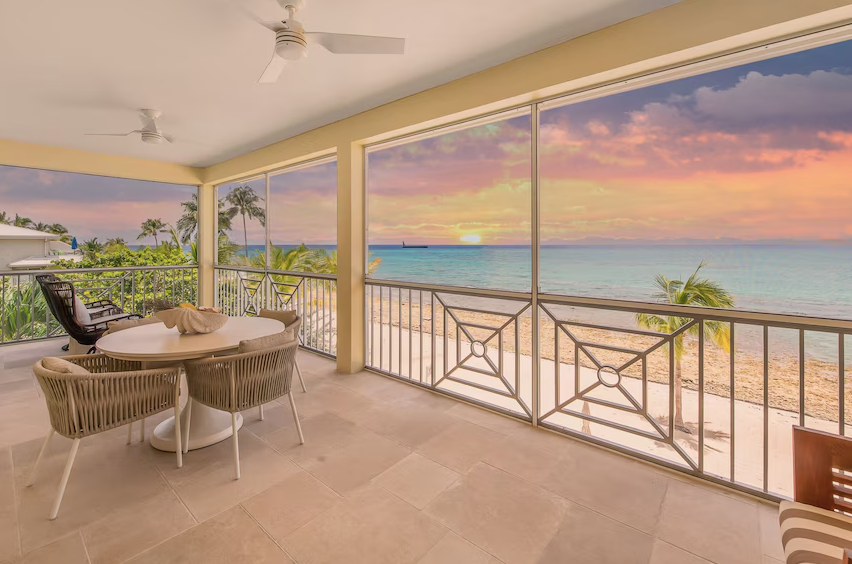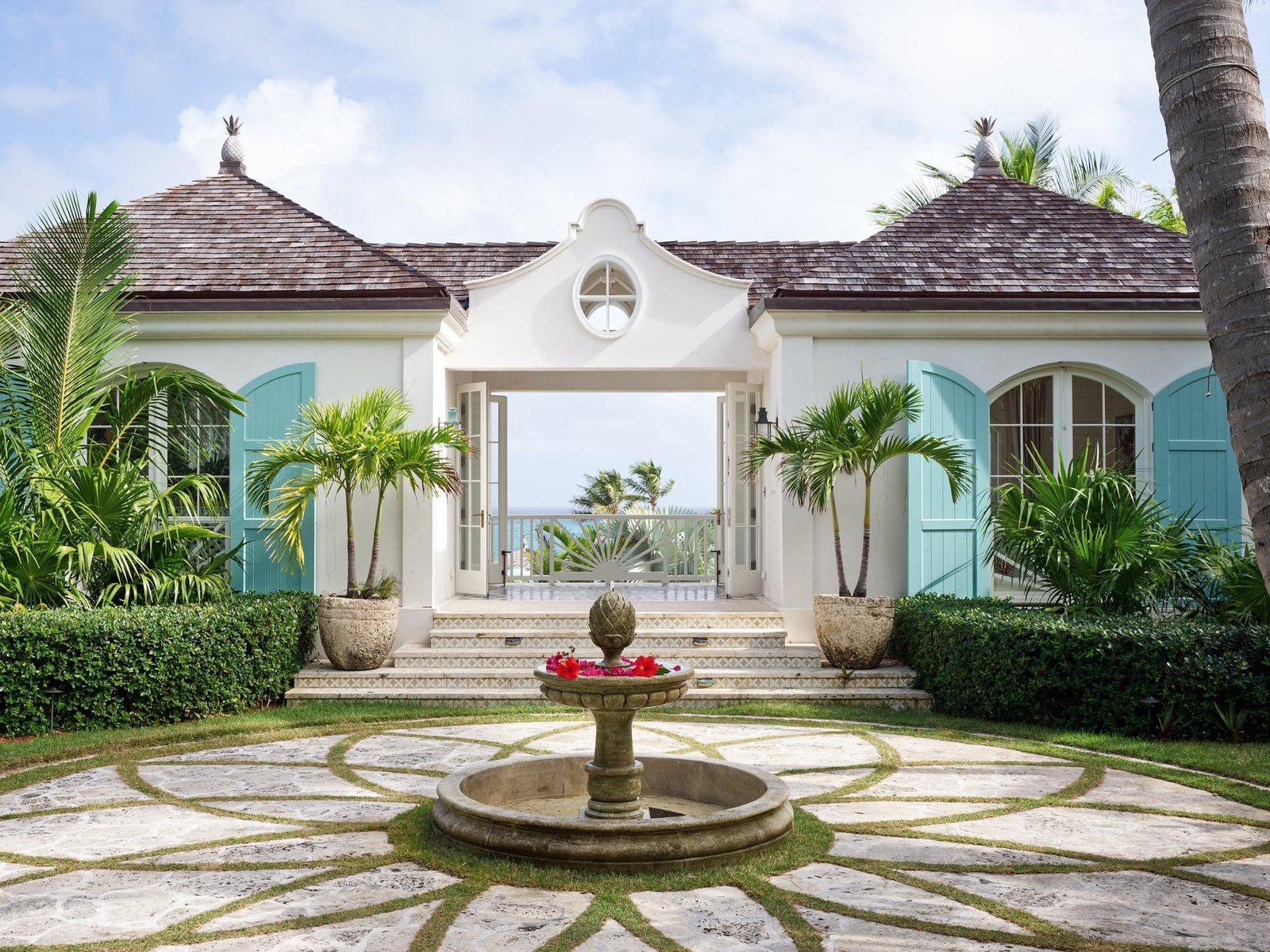

This briefing summarises the Caribbean real estate market trends that matter most to sophisticated buyers and investors, with island-specific context across The Bahamas and Turks and Caicos, and comparative signals relevant to Barbados and Cayman.
In 2026, liquidity is not evenly distributed across islands, or even within islands. Transactions concentrate where three conditions align: (1) scarcity that cannot be manufactured (waterfront frontage, protected coastlines, mature enclaves), (2) predictable legal and planning frameworks, and (3) reliable access for international owners. When these factors are present, the market behaves more like a global prime segment, with a more stable buyer pool and a clearer resale path.
Practical implication for Caribbean investment property: the spread between “prime” and “near-prime” widens as the cycle matures. Buyers should underwrite not only a property’s attributes, but the submarket’s long-term discipline on supply and infrastructure.
Across the region, buyers are pricing operational resilience into valuation. Energy generation and storage, water security, and maintenance-ready materials are now comparable to traditional drivers such as view corridors and proximity to amenities. In practice, this means homes and developments that reduce dependency on fragile utilities and can be managed remotely tend to command stronger demand.
For advisors and buyers, the diligence checklist in 2026 is more technical than it was three years ago:
– Power strategy: generator capacity, solar integration, battery storage, transfer switch logic
– Water strategy: cistern sizing, filtration, redundancy, service history
– Materials: corrosion-resistant hardware, roof envelope quality, glazing spec, drainage design
– Remote management: security, HVAC monitoring, humidity control, leak detection
One of the more important Caribbean real estate market trends in 2026 is the divergence of buyer profiles. Two dominant segments are shaping demand:
Lifestyle-first buyers prioritise privacy, immediacy of enjoyment, and turnkey readiness. They tend to prefer finished villas in established enclaves and increasingly expect professional lifestyle management capabilities to be embedded into the ownership experience.
Strategy-first buyers focus on asset durability, jurisdictional stability, and long-term optionality. They typically evaluate title clarity, planning constraints, tax posture, and operating costs with more rigour, and they place a premium on disciplined development environments.
For BELC, this split matters because it changes how we structure shortlists. The same island can serve both profiles, but rarely in the same segment of the market.
Turks and Caicos remains a market where prime coastal scarcity is clearly understood. The value conversation in 2026 increasingly centres on: (1) which communities maintain spatial discretion, and (2) how new inventory will affect long-term positioning. Sophisticated buyers are less interested in novelty and more interested in being on the correct side of supply discipline.
Where TCI remains compelling for global buyers is not only the product, but the clarity of the value proposition: established demand, consistent international interest, and a lifestyle profile that remains competitive against other warm-weather markets.
The Bahamas offers breadth: multiple islands, distinct submarkets, and a wider range of asset types. That breadth is a strength, but it increases the need for advisory discipline. In 2026, buyers are differentiating sharply between assets that are easy to hold and exit, and assets that may be attractive but structurally harder to resell.
For investors, the Bahamas can be compelling when the acquisition is framed correctly: defined use-case, clear operating model, and a realistic view of liquidity. Our advisory lens emphasises the submarkets and asset profiles where buyer demand remains consistent even when broader sentiment becomes cautious.
Across the region, stability is being priced as a premium. In markets where planning frameworks are consistent and ownership environments are straightforward, buyers tend to accept lower volatility in exchange for predictable outcomes. In 2026, this manifests as an emphasis on disciplined communities, established residential ecosystems, and assets that remain relevant across multiple ownership profiles.
For Caribbean investment property decisions, the practical takeaway is that stability is not a general claim. It is observable in planning decisions, infrastructure investment, air access reliability, and the consistency of buyer demand in specific neighbourhoods.
For clients currently assessing acquisitions or repositioning existing holdings, the highest-leverage actions are:
– Clarify the objective: primary use, mixed-use, or investment-first
– Underwrite operating resilience: power, water, serviceability
– Prioritise liquidity: proven enclaves over narrative-driven locations
– Align structuring early: tax, holding entity, banking considerations
Caribbean real estate in 2026 is rewarding, but it is less forgiving of superficial decision-making. The market is increasingly segmented, and outcomes depend on selecting the right submarket, the right asset profile, and a credible operating plan. BE Luxury Collection supports clients with area intelligence, structured diligence, and discreet execution across the Caribbean.
Speak with our advisors to build a short list aligned to your objectives and to evaluate opportunities through a rigorous, long-term lens.